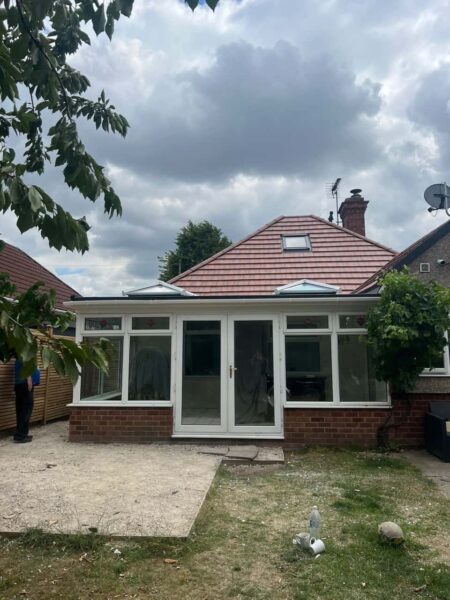
Lead Flashing Repairs: Protecting Your Roof from Water Ingress
Lead flashing plays an important role in keeping a roof watertight. It is commonly installed around chimneys, roof valleys, abutments and other junctions where roofing materials meet. These areas can be particularly vulnerable to water ingress because rain can work its way into small gaps if the flashing becomes damaged or loose.
Over time, exposure to changing temperatures, wind and rainfall can affect the condition of lead flashing. Cracks, lifted edges and failing joints may allow moisture to enter the roof structure, potentially leading to damp patches, damaged timbers and deterioration of internal finishes.
For homeowners in Hemsworth, West Yorkshire, recognising the signs of faulty lead flashing and arranging suitable repairs can help maintain the roof’s weather resistance and prevent avoidable damage.
What Is Lead Flashing and Why Is It Important?
Lead flashing is a weatherproofing material used to seal vulnerable junctions on a roof. Its flexibility allows it to be shaped around features such as chimneys, walls and roof intersections, helping direct rainwater away from areas where it could otherwise penetrate.
Unlike the main roof covering, flashing protects the connections between different surfaces. Even when tiles or slates appear to be in good condition, defective flashing can still create a route for water to enter.
Correct installation is essential. Flashing must be securely fitted, appropriately overlapped and integrated with the surrounding roofing materials. If these details fail, water may pass behind the flashing and enter the roof space.
Common Signs That Lead Flashing Needs Repair
Flashing damage is not always easy to spot from ground level, but certain warning signs may indicate a problem.
- Damp patches or water staining on ceilings near a chimney or roof junction.
- Cracked, split or visibly distorted lead.
- Flashing that appears lifted, loose or separated from the adjoining surface.
- Deteriorating mortar around stepped flashing on a chimney or wall.
- Water entering the loft or roof space after rainfall.
- Repeated leaks in the same area despite previous repairs.
These symptoms can have several possible causes, so it is important not to assume that flashing is responsible without an inspection. A roofing professional can examine the affected area and determine whether the issue lies with the leadwork, nearby tiles, mortar or another part of the roof.
What Causes Lead Flashing to Deteriorate?
Lead is a durable roofing material, but it still requires correct installation and occasional maintenance. One common cause of damage is natural movement caused by changes in temperature. Lead expands and contracts as conditions change, and poorly detailed or restrained flashing may become distorted or develop splits over time.
Strong winds can also lift inadequately secured sections, while deteriorating mortar may leave gaps around chimney flashing. Water can then enter these openings and reach the underlying roof structure.
Previous repairs may also fail if unsuitable materials have been used or the original cause of the leak has not been addressed. Identifying the reason for the damage is therefore just as important as repairing the visible defect.
How Professional Lead Flashing Repairs Work
The appropriate repair depends on the extent and location of the damage. A roofer will normally inspect the flashing and surrounding roof covering to establish how water is entering and whether the supporting materials remain sound.
Where damage is limited, a localised repair or adjustment may be sufficient. Loose sections may need to be refitted, while failed joints or deteriorated mortar may require attention to restore a reliable seal.
If the lead has split extensively, become badly distorted or reached the end of its useful service life, replacing the affected section may be the more appropriate option. The surrounding tiles, slates and roof junctions should also be checked to ensure that the repair addresses the complete problem.
Because lead flashing is often located on steep or elevated parts of a roof, repairs should be carried out by a suitably experienced roofing professional. Attempting to access these areas without appropriate equipment can be dangerous.
Why Prompt Flashing Repairs Matter
A small flashing defect may initially cause only occasional dampness, but continued water ingress can affect more than the visible surface. Moisture may damage roof timbers, insulation and plasterwork, while persistent damp conditions can encourage further deterioration.
Water can also travel along roof components before becoming visible indoors, making the original entry point difficult to identify. Delaying repairs may therefore allow the problem to spread beyond the flashing itself.
Arranging an inspection when you first notice a leak or visible defect can help establish the necessary work and reduce the risk of further damage.
Maintaining Lead Flashing for Long-Term Roof Protection
Regular roof inspections can help identify loose edges, damaged joints and deteriorating mortar before they cause significant problems. It is particularly useful to check flashing after severe weather or when unexplained damp patches appear indoors.
Homeowners should inspect the roof from a safe position at ground level and avoid climbing onto the roof themselves. If damage is suspected, a professional assessment is the safest way to establish the condition of the flashing.
Keeping gutters clear and maintaining the surrounding roof covering can also support effective water drainage, although these measures cannot compensate for defective flashing.
Lead Flashing Repairs in Hemsworth, West Yorkshire
Effective lead flashing repairs require careful attention to the vulnerable junctions where water is most likely to enter. Whether the issue involves a chimney, roof valley or wall abutment, identifying the cause and selecting the correct repair can help restore the roof’s protection against rainfall.
UG Roofing Hemsworth provides roofing services in Hemsworth, West Yorkshire. If you have noticed signs of water ingress, loose flashing or recurring leaks, contact the team to discuss your concerns and arrange an assessment of your roof.
Conclusion
Lead flashing is essential for protecting roof junctions from water ingress, but cracks, loose sections and deteriorating joints can compromise its performance. Recognising the warning signs and arranging appropriate repairs can help prevent moisture from damaging the wider roof structure.
For homeowners in Hemsworth, West Yorkshire, UG Roofing Hemsworth can help assess lead flashing problems and determine a suitable way forward. Get in touch to discuss your roofing requirements and help keep your roof weather-resistant and in good condition.
Call us on: 01977 804 699
Click here to find out more about UG Roofing Hemsworth
Click here to complete our contact form and see how we can help with your roofing needs.