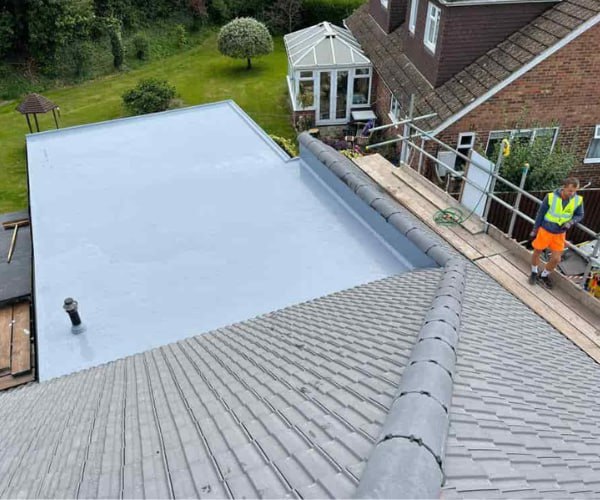
How to Prepare Your Property for a Complete Roof Replacement
A complete roof replacement is a significant home improvement project that can improve weather protection, structural reliability and the overall condition of a property. However, the work involves more than removing old tiles or roof coverings and installing new materials. It can also affect access to the property, outdoor spaces and parts of the home while the work is underway.
Preparing properly before the project begins can help reduce disruption, protect belongings and allow the roofing team to work safely and efficiently. For homeowners in Hemsworth, West Yorkshire, understanding what to expect can make the process more straightforward.
1. Discuss the Work and Agree on the Installation Plan
Before work starts, speak with your roofing contractor about the scope of the replacement. A complete roof replacement may involve removing existing coverings, inspecting the roof structure, replacing damaged timber, installing new underlay and battens, and fitting new tiles or other roofing materials.
Clarify which parts of the roof will be replaced and whether associated components, such as ridge tiles, flashing, fascias or soffits, are included.
It is also useful to establish the expected work schedule, access requirements and how the property will be protected if the roof is temporarily exposed to the weather. Having a clear understanding of the process helps you plan around the work.
2. Clear the Driveway and Outdoor Working Areas
Roof replacement requires space for equipment, materials and the safe movement of workers. Scaffolding may need to be erected around the property, while delivery vehicles and waste removal arrangements may require access to the driveway or nearby outdoor areas.
Before the installation date:
- Move vehicles away from the immediate working area.
- Store garden furniture, toys and outdoor equipment safely.
- Move potted plants away from scaffolding and potential falling debris.
- Keep access routes clear for the roofing team.
- Secure or relocate items that could be affected by dust or vibration.
If you have limited outdoor space, discuss access arrangements with your contractor in advance.
3. Protect Items in Your Loft and Upper Rooms
Removing old roofing materials and carrying out structural work can create dust and vibration. Some debris may also fall into the loft during the removal process, particularly if the existing roof has gaps or deteriorated underlay.
It is sensible to cover stored belongings with dust sheets or protective plastic. Fragile items should be moved away from areas directly beneath the roof wherever possible.
If your loft contains valuable possessions, consider temporarily relocating them until the replacement is complete. This also gives the roofing team better access if they need to inspect the roof structure from inside.
4. Prepare Rooms Directly Beneath the Roof
Roofing work can sometimes cause noticeable noise and vibration inside the property. This is particularly likely during the removal of old tiles, timber repairs and the installation of new materials.
Remove fragile ornaments and unsecured objects from shelves in upper rooms. If you work from home or have young children, consider how the noise may affect your normal routine.
Pets may also become unsettled by unfamiliar sounds and activity. Keeping them in a quieter, secure area away from the working zone can help reduce stress and prevent accidental access to hazardous areas.
5. Make Arrangements for Scaffolding and Property Access
Scaffolding is commonly required to provide safe access to different sections of the roof. Its position may affect pathways, entrances, garden areas and access to certain windows.
Discuss where the scaffolding will be installed and whether any gates, sheds or outdoor structures need to be moved beforehand. Make sure the roofing team knows about access restrictions or features that could affect the work.
Avoid attempting to climb scaffolding or enter restricted working areas. These spaces are intended for trained personnel and may contain tools, materials and potential hazards.
6. Consider Weather Conditions and Temporary Roof Protection
Roof replacement involves removing the existing weatherproof covering, so the property needs suitable protection while the work is in progress. Weather conditions can influence the order and timing of installation tasks.
Your roofing contractor should explain how exposed sections will be protected if work is interrupted by rain or strong winds. Temporary coverings may be used where necessary to help prevent water entering the property.
Homeowners should also keep an eye on weather updates during the project and communicate with the contractor if conditions change significantly.
7. Plan for Waste Removal and Final Checks
Removing an old roof can generate a considerable amount of waste, including broken tiles, underlay, timber and old fixings. Ask how waste will be collected and where any skips or storage areas will be positioned.
Once the replacement is complete, the roofing team should inspect the finished work. This should include checking the alignment of the new coverings, ridge details, flashing, roof edges and any repaired sections.
It is also worth confirming that the surrounding area has been cleared of leftover materials and that access to the property has been restored.
Why Professional Planning Matters for Roof Replacement
A complete roof replacement involves several connected stages, and problems with preparation can cause unnecessary delays or disruption. Clear communication, suitable access and proper protection of the property all contribute to a more organised project.
An experienced roofing team can assess the existing roof, identify potential issues and explain the work needed before installation begins. This helps homeowners understand what will happen and prepare their property accordingly.
For properties in Hemsworth, West Yorkshire, choosing a professional roofing service is an important step towards achieving a reliable replacement roof suited to the building.
Conclusion
Preparing your property for a complete roof replacement involves more than clearing the area around your home. Protecting loft belongings, making space for scaffolding, planning for noise and understanding the installation schedule can all help the project run more smoothly.
UG Roofing Hemsworth provides roofing services for homeowners in Hemsworth, West Yorkshire. If your roof needs replacing and you would like to discuss the work involved, contact UG Roofing Hemsworth to arrange an assessment and talk through your requirements.
Call us on: 01977 804 699
Click here to find out more about UG Roofing Hemsworth
Click here to complete our contact form and see how we can help with your roofing needs.